welcome!
Welcome to the new digital home of the Edgar Allan Poe Cottage. We are reformatting the historic Cottage to be an active literary center bridging Edgar Allan Poe's legacy, his foundational writing, diverse resources, and classical influences into the 21st century.
This website marks a seismic shift for the Cottage, founded on his most unconventional piece written right here: Eureka: A Prose Poem. It is a book-length philosophical take on the nature of the universe, its origin, its destiny, and the divine origins of every part of it, including us. Poe viewed it as the encapsulation of everything he had ever studied, lived, or written up to that point.
We call this shift The Eureka Project. We’re using Eureka, Landor’s Cottage, and a few other texts to guide us in a re-dedication of space, which will include a few changes in interior design, new paint, much cleanup, and new gardens out front.
In the meantime, use this website as a dynamic virtual space and study aid. Dig through our Reading Room to learn more about every Poe landmark, and in retracing his steps, discover more about the founding of our country, Poe’s innovative writing, and how the world reacted to it.
Connect with us on our Contact page to drop us a line or join our network of volunteers. Head over to our Events page to learn about upcoming happenings such as literary salons, open mics, our very own book club, film viewings, and much more!
THE FINAL HOME OF
EDGAR ALLAN POE
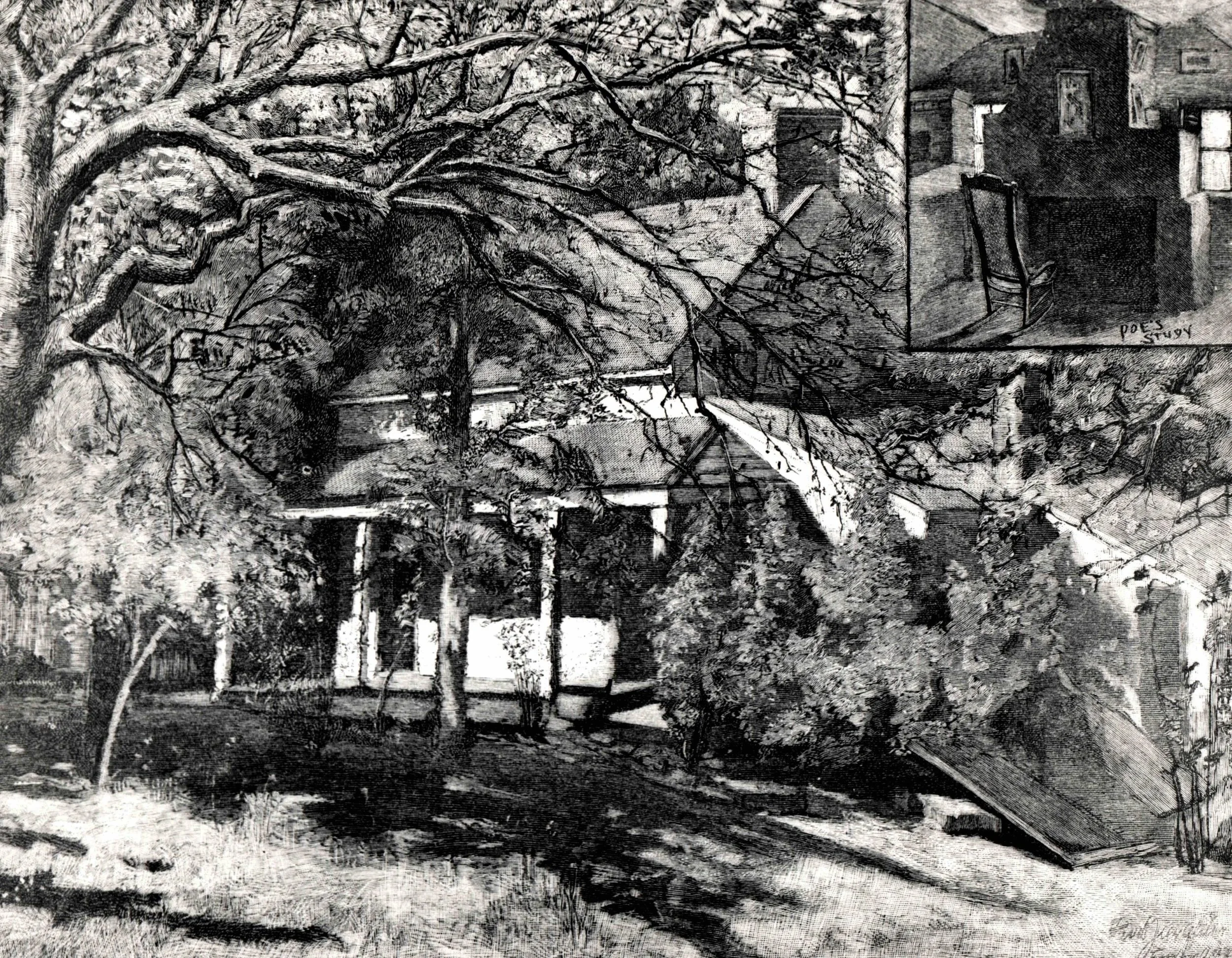
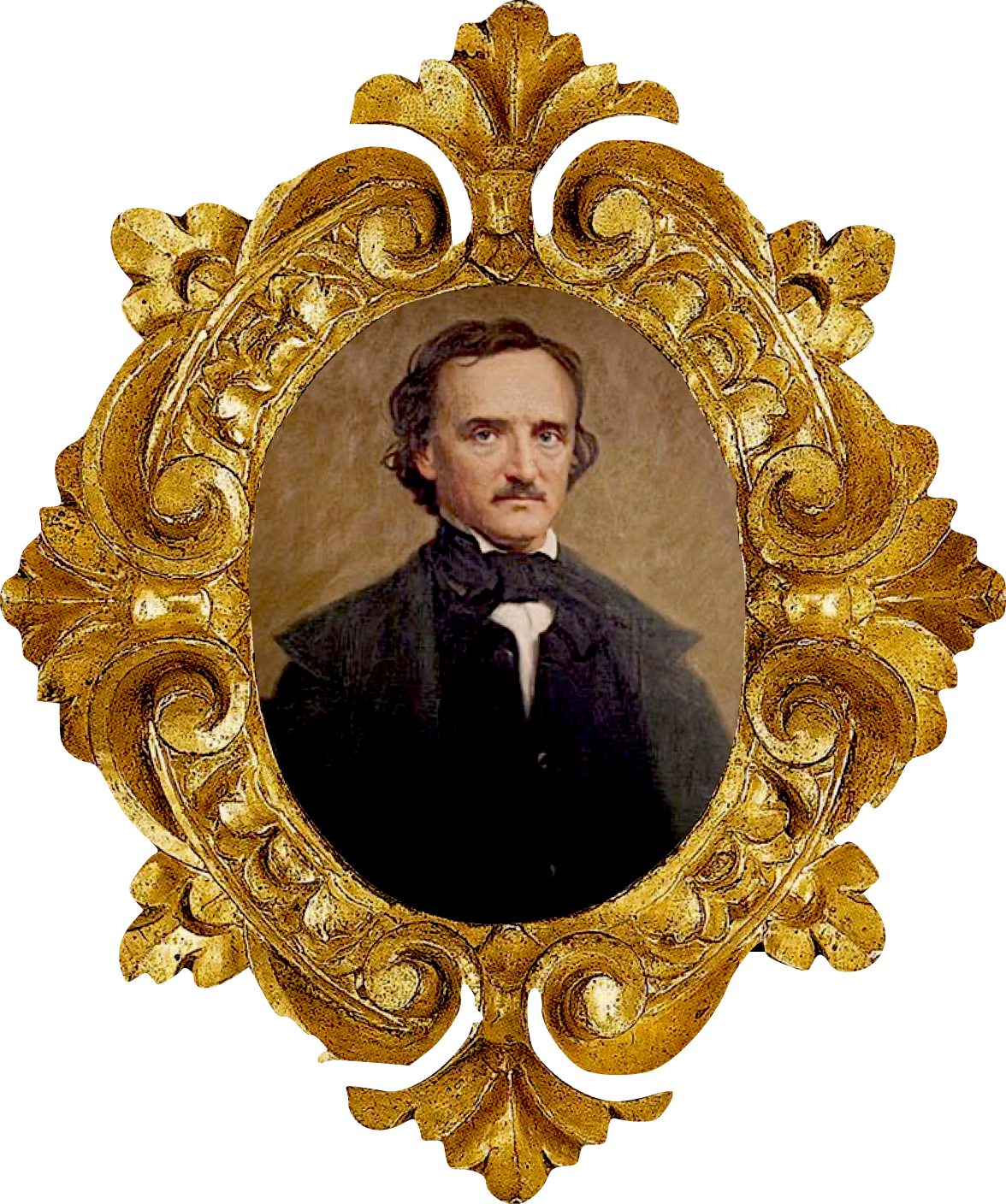
Edgar Allan Poe Cottage, built c.1810–1830, is a New York City and State landmark listed on the National Register of Historic Places. The historic house museum is famous as the final home of the writer. At the time that Poe, his ailing wife Virginia, and mother-in-law Maria Clemm moved in during the spring of 1846, the house was owned by John Valentine. Poe rented it for $100 per year. Virginia died in the house in 1847 and after Poe’s death on October 7, 1849 while in Baltimore, Maria Clemm moved out.
The Bronx County Historical Society has administered the Edgar Allan Poe Cottage as a historic house museum since 1975, in cooperation with the New York City Department of Parks and Recreation and the Historic House Trust of New York City.
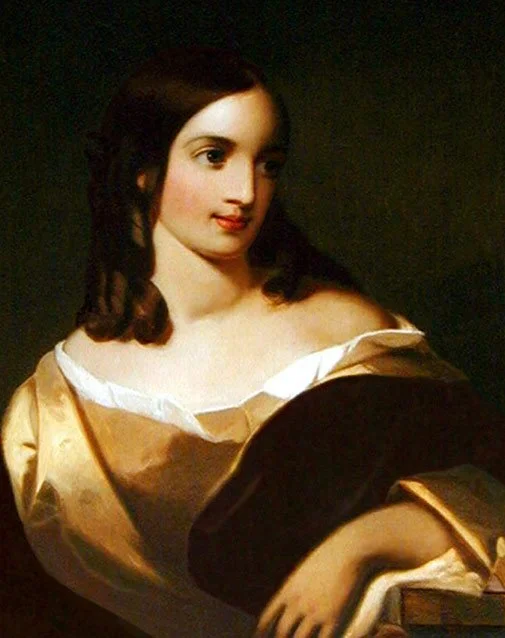
Give me a cottage for my home
And a rich old cypress vine,
Removed from the world with its sin and care
And the tattling of many tongues.
Virginia Eliza Clemm Poe, in a Valentine’s poem written to her husband Edgar in 1846.
Visit Poe Cottage
Poe Cottage is located at:
2640 Grand Concourse
The Bronx, NY 10458
Sat: 10:00am–4:00pm
Sun: 1:00–5:00pm
See Holiday Closures
Suggested Donations for Admission are $3 for Children/Seniors and $5 for adults.
Members of The Bronx County Historical Society enjoy unlimited free admission to Poe Cottage. Free admission for NYPL, Queens Public Library, and Brooklyn Public Library card holders available through Culture Pass NYC. No one turned away.
Book in advance using the button on this page. Walk-up admission tickets available upon arrival to the Cottage.
Private tours of Edgar Allan Poe Cottage outside of its regular hours can be scheduled by sending an email to poe@poecottage.org.
Private Tour Suggested Donations
$25 adults
$12 children